In modern tennis, physical and technical preparation alone is not enough for lasting success. High-performance players understand that mental strength, strategic planning, and clear objectives make the difference. The SMART GOALS method is a powerful tool to turn every practice and match into a conscious process of improvement.
What Do SMART Goals Mean in Tennis?
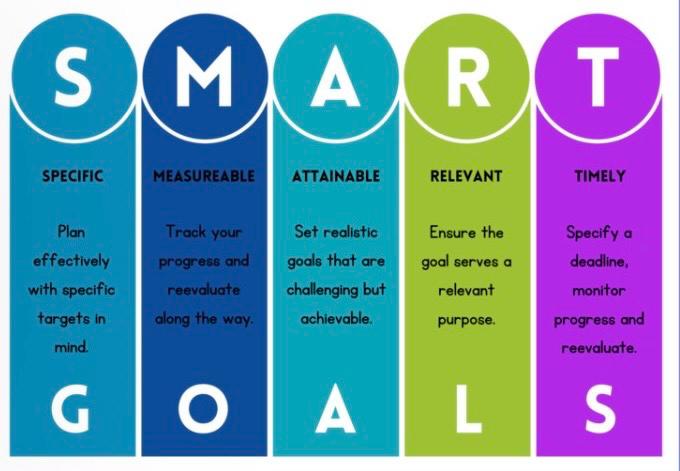
SMART is an acronym describing the key characteristics of a well-defined goal:
- S – Specific: The goal must be clear and related to concrete aspects of your game.
Example: “I want to increase my first serve percentage in practice” is much clearer than “I want to serve better.” - M – Measurable: Progress must be trackable.
Example: “Increase my first serve percentage from 55% to 65% over the next two weeks.” - A – Achievable: The goal should be realistic given the player’s current level.
Example: It’s unrealistic to aim to win an international tournament if you’re at a regional level; focus instead on improving your serve or reducing unforced errors. - R – Relevant: The goal should contribute to your overall development.
Example: Improving cross-court forehands may be more important than completely changing your playing style. - T – Time-bound: A goal without a deadline is just a wish.
Example: “By the next tournament, I aim to reach a 70% first-serve rate and no more than three double faults per match.”
Why SMART Goals Are Essential for Tennis Players
Many players focus only on results (“win the match”) and forget the process that leads to victory.
SMART goals teach players to:
- think strategically and tactically;
- monitor their progress on specific game elements;
- take responsibility for their own development.
Concrete benefits for tennis players:
- Increased motivation and discipline during training;
- Reduced frustration during matches;
- Better tactical decisions (e.g., when to approach the net or play defensively);
- Greater confidence in shots and strategies.
Practical Examples of SMART Goals in Tennis
- Technique:
- S: “Reduce unforced errors on my forehand.”
- M: “Decrease unforced forehand errors from 15 to 10 per set.”
- A: Adjusted to my current level.
- R: My forehand is my primary weapon in points.
- T: “Within the next two weeks, in practices and practice matches.”
- Serve:
- S: “Improve my first serve percentage.”
- M: “Reach 65% first serves during Saturday practice sessions.”
- A: Realistic based on recent practice data.
- R: A strong serve increases my chances of starting points in advantage.
- T: “By the next official match.”
- Tactics:
- S: “Play more aggressively at the net.”
- M: “Finish 5 points at the net per practice match.”
- A: Gradually, with the coach’s guidance.
- R: My playing style allows me to exploit net opportunities.
- T: “During the next three practice sessions.”
- Mental and Match Focus:
- S: “Stay focused after losing each point.”
- M: “Apply breathing techniques and avoid losing more than two consecutive points due to frustration.”
- A: I can practice and apply relaxation techniques.
- R: Focus affects tactical decisions and match outcomes.
- T: “Throughout each practice set and the next official match.”
Conclusion
Performance in tennis is not built by chance.
It results from a clear, measurable, and relevant plan consistently applied.
The SMART GOALS method helps players transform practice into tangible progress, improve technique, make better tactical decisions, and manage match stress.
In tennis, as in life, it’s not just about winning points – it’s about knowing how to win them.
#SMARTGoals #TennisPerformance #MentalTraining #Coaching #Mindset #TennisGoals #Development #SmartTraining #PerformanceMindset #SportEducation #ionutjianu #professionaltipstennistraining
Related posts

Singles Strategy – From Random Shots to Intelligent Tennis