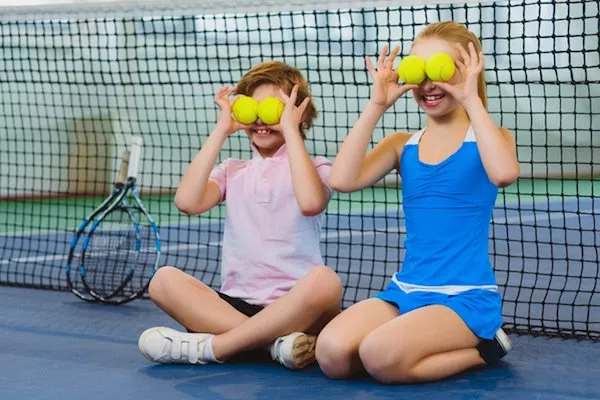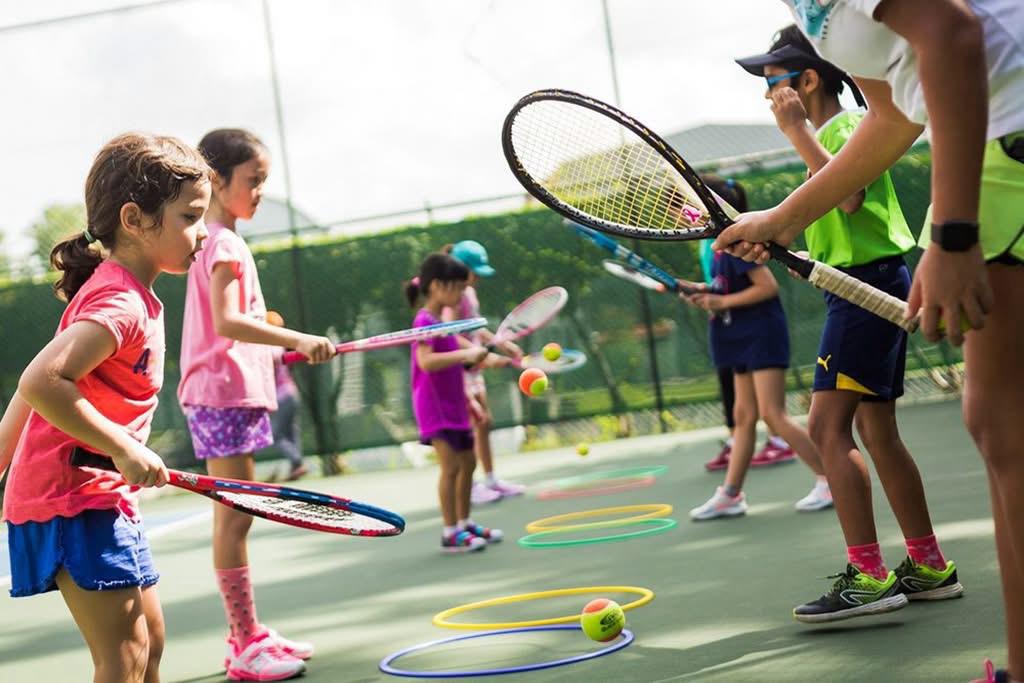
Developing coordination skills in children is one of the most important foundations for success in tennis. Hand–eye coordination, balance, rhythm, agility, and reaction speed are not only essential for achieving performance but also key to enjoying the game from the very beginning. Children who strengthen these motor skills hit the ball more accurately, move efficiently on the court, and create a solid base for learning advanced techniques later.
The Importance of Hand–Eye Coordination in Tennis
In tennis, the synchronization between vision and racquet movement is crucial. Players must hit the ball while moving, maintaining balance and controlling shot direction. Without proper coordination, strokes become inconsistent, affecting performance and confidence. Developing hand–eye coordination early gives children the precision needed to succeed on the court.
Why Balance is a Game-Changer
Balance is vital in every phase of tennis. Whether serving or engaging in fast rallies, players need a stable base and proper weight transfer. Children who work on balance from an early age execute more accurate shots and reduce the risk of injuries, as their bodies are prepared to stabilize in dynamic situations.
Rhythm: Playing with Timing and Intelligence
Tennis is never played at a constant tempo—it demands adaptation to changes in speed and intensity. Feeling rhythm allows players to strike the ball at the right moment, adapt to opponents’ styles, and build points strategically. Teaching children to sense rhythm improves their timing, decision-making, and overall game intelligence.
Agility and Quick Reactions for Modern Tennis
Modern tennis requires short, explosive movements, sudden changes of direction, and fast adaptation. Agility and reaction speed help children move efficiently, reach difficult balls, and conserve energy. These skills also strengthen the body, promote proper movement patterns, and prevent injuries.
Long-Term Benefits of Early Coordination Training
Developing coordination in childhood is not just an immediate advantage—it is a long-term investment in health and performance. Children with a strong motor foundation progress faster, learn techniques more easily, and gain confidence in matches. These skills also transfer to other sports and physical activities, giving them a competitive edge in the future.
Conclusion
Coordination is the cornerstone of tennis performance. It is the key to precision, rhythm, and body control. A child with a well-developed motor foundation will enjoy the game, achieve better results, and build a lifelong love for tennis.
#TennisForKids #JuniorTennis #CoordinationSkills #HandEyeCoordination #BalanceTraining #AgilityDrills #TennisTraining #YouthTennis #MotorSkills #TennisPerformance #TennisCoaching #TennisExercises #coachionutjianu #professionaltipstennistraining #tennisparents
I am available to provide exercises and guidance for children’s development, both in tennis training and in physical conditioning, to help them build coordination, strength, agility, and confidence on and off the court.
Related posts
Romy Miriam câștigă DEI Tennis Cup – o victorie construită prin muncă și mentalitate